DJ King Flow interviews Grafh for Mixtape Addict 13.
- Sep 6, 2024
- 9 min read
Updated: Apr 2

French DJ King Flow has announced the lineup for his forthcoming weekly show, Mixtape Addict, which will include an interview with Grafh. Scientific Sound Asia operates as a radio station, event organiser, and DJ agency in Asia, catering to a global audience.
Since the age of 14, the French artist known as DJ King Flow has made a significant mark on the scene. His exceptional mixtapes have captivated audiences worldwide. His passion for Rap music ignited his creativity, propelling him to industry prominence, where his unique style and innovative beats have garnered him extensive acclaim and respect.
Over the years, he has become a trailblazer in music production, constantly challenging boundaries and redefining the art of sound mixing and fusion. His collaborations with esteemed artists such as Ras Kass, Torae, Juicy J, Tragedy Khadafi, O.C., and Khujo Goodie from Goodie Mob have showcased not only his versatility but also his skill in seamlessly integrating various musical genres into a harmonious whole.
He transcends cultural barriers, forging a profound bond with listeners through his music, which is rooted in his affection for the genre's history. His beats are a medium to convey emotions, narrate stories, and communicate experiences. His fervent dedication to his craft and relentless quest for musical excellence set him apart as an innovator in the scene, inspiring and encouraging emerging artists and dancers across the globe.
Since 2012, he has been committed to connecting cities like New York, Dallas, Providence, Miami, and Seattle, aiming to establish a vibrant transatlantic Rap scene alongside his esteemed partner, Young Amsterdam. This ambitious project has necessitated widespread travel across the United States to cultivate connections and collaborations with enthusiasts beyond geographical limits.
Conceived in late 2015 by him, Mixtape Addict garnered international acclaim on radio stations worldwide. Beginning in early 2019, the team embarked on tours to France, Canada, and New York, launching the innovative video interview series, the Mixtape Addict Report, featuring interviews with rap legends and global Hip Hop stars, marking a significant milestone in delivering Hip Hop news globally.
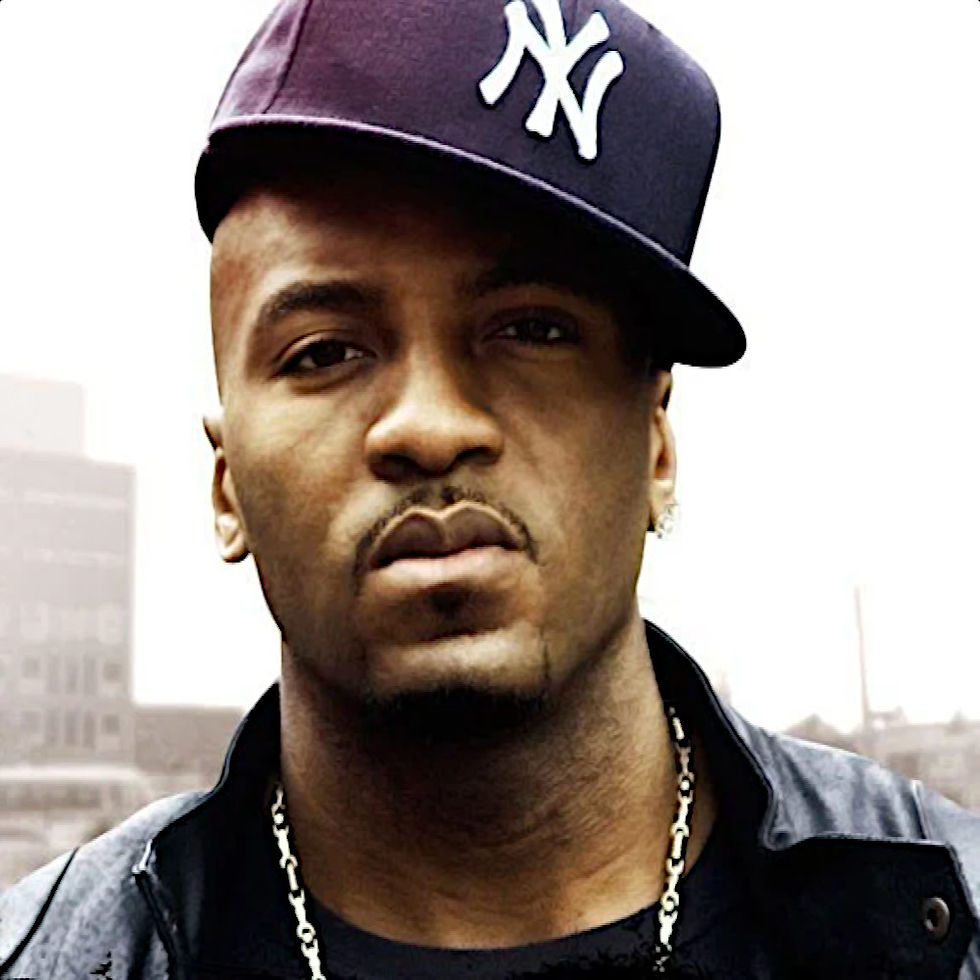
Interview guest Grafh.
Grafh, born Philip Anthony Bernard, is a name that resonates deeply within the hip hop community. Hailing from South Jamaica, Queens, New York, Grafh has been a formidable presence in the rap music scene since the early 2000s.
His journey began with a passion for lyricism and storytelling, elements that have remained central to his music throughout his career. Grafh’s debut studio album, “Autografh,” released in 2007, marked the beginning of a prolific career.
Over the years, he has dropped numerous mixtapes and albums, each showcasing his unique style and lyrical prowess. His ability to weave intricate narratives and deliver hard-hitting bars has earned him a dedicated fanbase and critical acclaim.
One of the defining aspects of Grafh’s career has been his collaborations with some of the biggest names in the industry. Working with artists like Drake, Busta Rhymes, and Royce da 5’9" has not only elevated his profile but also allowed him to experiment and grow as an artist.
These collaborations have brought out different facets of his talent, making each project a fresh and exciting experience for his listeners. Despite the ever-changing landscape of hip hop, Grafh has managed to stay relevant by staying true to his roots while embracing new sounds and trends.
His music reflects a deep understanding of the genre’s history and a commitment to pushing its boundaries. This balance of tradition and innovation is what sets him apart from many of his contemporaries.
Grafh’s influence extends beyond his music. He is known for his candidness and authenticity, qualities that resonate with fans and fellow artists alike.
His journey from the streets of Queens to the upper echelons of the rap world is a testament to his talent, hard work, and perseverance. He has become a role model for aspiring rappers, showing that success in the industry is possible without compromising one’s artistic integrity.
As hip hop continues to evolve, Grafh remains a constant, a beacon of lyrical excellence and creative innovation. His contributions to the genre are significant, and his impact is undeniable. With a career spanning over two decades, Grafh’s legacy is firmly cemented, and he continues to inspire and influence the next generation of hip-hop artists.
Episode 13 by DJ King Flow opens with Grafh’s Tryin To Rep, followed by Right Now featuring Talib Kweli & Haile Supreme, a polished example of refined Boom Bap with soulful hooks and lyrical depth. Rock, Paper, Scissors and Straight Shooter continue Grafh and 38 Spesh’s strong chemistry, blending modern production with classic East Coast hip hop punch. Vice Souletric’s Vice For President (produced by Pete Rock) adds rich boom-bap soul, while Imam T.H.U.G & Prodigy’s The Recipe links back to Queensbridge tradition and street wisdom.
The mid-section dives deep into the underground, with Flow by DJ King Flow, OSVN & D Goynz demonstrating turntable artistry and lyrical prowess. The Source by Grea8Gawd and Mixtape Addict with Lefty Pachino both exemplify the show's dedication to true lyricism. Rufus Sims, Hectik, and Sonny Reddz offer thoughtful bars across Keep Playing, One Of A Kind, and Stand Up, maintaining a cohesive underground tone.
Energy shifts toward the street narrative with Daytona’s American Skumbag and Young Buck’s Life Change, balancing introspection and resilience. Numb by B.Rocca & Barry Hendrix deepens the emotional scope with reflective storytelling and hard-edged realism.
In the closing section, Fire Fresh Produce introduces a West Coast influence, providing contrast without disrupting the overall flow. Tracks such as Keep Playing and One Of A Kind sustain the lyrical focus, while The Recipe reconnects the mix to Queensbridge roots, reinforcing the episode’s thematic consistency. The programme then transitions into an in-depth interview, shifting the focus from performance to perspective, framing the episode as both a curated selection and a broader exploration of Grafh’s career.
This conversation provides deeper insight into Grafh’s relationship with the culture that built him, beginning with a straightforward answer to the show’s opening question. He names DJ Premier as his all-time favourite DJ, not in a performative way, but simply because of his body of work and the consistency of his craft. That answer sets the tone for the rest of the interview.
Grafh does not overcomplicate his points, but he is very clear about what he values, and in almost every answer he returns to the same core ideas, authenticity, work, culture and respect for the foundations. The interview’s strongest section centres on the mixtape era and what has been lost in the transition to digital dominance. Grafh says plainly that he misses the time when music was tangible, when listeners could physically hold a CD, go through the booklet, study the photos, read the credits and understand who made the records they loved.
He frames that experience as part of the culture itself, not just an outdated format. In his view, mixtapes and physical releases created a deeper bond between artists and fans because they invited attention to the full presentation, not just the song in isolation. This is more than nostalgia. It is a defence of a period when records felt like complete artistic objects rather than disposable content.
He also contrasts that era with the current economy of streaming, which he describes as a world of manipulation, inflated numbers and false signals. One of the sharpest points in the interview is his insistence that the old street economy, for all its imperfections, was at least measurable in a more honest way. If someone sold a certain number of tapes in the streets, that reflected a real audience.
In contrast, he sees modern rap as driven by digital marketing teams, padded streams and manufactured visibility. What frustrates him most is not simply that the game has changed, but that it has become harder to tell who is genuinely connecting and who is simply benefiting from better promotional machinery.
That line of thought leads naturally into his reflections on DJ Kay Slay and Green Lantern, two figures who played a major role in shaping his rise. Grafh is especially direct about Kay Slay’s impact, saying he would not be where he is without him. He recalls how Slay put him in key positions on tapes, how placement itself mattered in that era, and how that visibility changed his life.
His gratitude feels genuine, and he repeatedly returns to the idea that Slay represented a type of support system that underground artists rarely receive at that level. In his telling, Kay Slay was not merely a DJ who hosted records, but a genuine advocate for hungry emcees who deserved to be heard. His comments on Green Lantern and the Oracle tapes carry a similar warmth, especially when he talks about reissuing that material for newer listeners who may not know the role those releases played in his catalogue.
There is also a strong thread in the interview about the value of physical products. Once the subject comes up, Grafh becomes very specific about what he misses, the way albums used to be designed, the effort that went into booklets, thank-you pages, photo shoots and packaging concepts. For him, these details mattered because they reflected care.
They showed that artists and labels once treated the full release as a creative event rather than simply another upload. Even though he understands the reality of the current digital landscape, he clearly still sees physical formats as one of the best expressions of artistic seriousness. The conversation then shifts toward his more recent work, particularly his partnership with 38 Spesh.
Grafh describes their chemistry in direct terms, saying they are like Batman and Robin right now, and the confidence behind that comparison is supported by the records. He presents the relationship as an organic friendship that grew through mutual respect, shared work ethic and a natural sense of alignment. His comments suggest that their collaborations are not one-off pairings designed for attention, but part of an ongoing creative bond that could easily produce more music.
That same instinct shapes the story behind Rocafella Chain, one of the standout records discussed in the interview. Grafh explains that the beat immediately gave him nostalgic Roc-A-Fella energy and that once he recognised that feeling, he went all the way with the concept. What is interesting here is not just the feature list, but the speed and confidence with which he built the record.
He heard the aesthetic direction, trusted it, called the right people and committed fully. In that sense, the song becomes a good example of the wider point running through the interview, that instinct, cultural memory and execution still matter more than over-planned branding. Another major theme is Europe, and here Grafh speaks with unusual warmth.
He makes clear that he is not only aware of the European hip hop scene, but deeply appreciative of it, particularly because audiences there pay close attention to bars and hold on to lyrics in a way he feels many American listeners no longer do. He talks about performing in Paris and London, about audiences knowing every word to records he himself had half-forgotten, and about wanting to spend more time in France beyond the usual quick-stop touring routine.
His comments suggest that Europe represents more than just another market. For him, it is a place where the music is often received with the kind of seriousness he still wants from rap culture.
When asked for advice to younger artists, Grafh’s answer is simple and uncompromising. Go hard, practise every day, take the craft seriously, and if the passion is not genuine, step away.
That answer fits everything else he says in the interview. He has little patience for artists who see rap purely as a quick route to money, attention or lifestyle branding. In his view, hip hop still requires devotion, and anything less eventually shows.
The interview closes on a more expansive note, with references to merchandise, clothing, future music, the Bang Dope Gang imprint and, importantly, his music therapy programme in schools. That final detail matters because it broadens the picture. Grafh is not only concerned with preserving his own place in the culture.
He is also trying to use music as a tool to help younger people express emotion and develop creatively. That gives the conversation a more rounded finish and shows that his commitment to hip hop extends beyond records and branding into education and community work. Taken together, this episode of Mixtape Addict presents Grafh as an artist who still thinks like a mixtape-era purist while working in a much more unstable and artificial music economy.
The mix underlines his continued relevance as a lyricist, while the interview reveals how clearly he understands the shifts that have reshaped the culture around him. What comes through most strongly is not bitterness, but discernment. He knows what has been lost, he knows what still matters, and he remains committed to making music and building projects in a way that reflects those values.
Mixtape Addict episode 13.
Grafh - Tryin To Rep
Grafh & 38 Spesh - Right Now (ft. Talib Kweli & Haile Supreme)
Demrick & DJ Hoppa - What's Left Of Me
Broadway - Big Steppers
Vice Souletric - Vice For President (Prod. Pete Rock)
Daytona - American Skumbag
Grafh & 38 Spesh - Rock, Paper, Scissors
Sonny Reddz, Jojo Pellegrino & Gawds - Stand Up
Young Buck - Life Change
B.Rocca & Barry Hendrix - Numb
Lefty Pachino & DJ King Flow - Mixtape Addict
OSVN, D Goynz, Tone Spliff & DJ King Flow - Flow
Grafh & 38 Spesh - Straight Shooter (ft. Papoose)
Kadiz - On Point
Grea8gawd - The Source (Prod. Roc Marciano)
Westcoast Mo - Fire Fresh Produce
Rufus Sims - Keep Playing
Hectik - One Of A Kind
Imam T.H.U.G & Prodigy - The Recipe.
DJ King Flow - Interview with Grafh
Listen on Mixcloud here.


Comments