
27 June 2020
Bicycle Corporation announces track-list for ‘Roots’ 041.
Bicycle Corporation's 'Roots' 041 blends Disco, R&B, Funk, and Jazz into an eclectic mix of soulful, groove-driven rhythms and vibes.
Brazilian music developed through the interaction of Indigenous traditions, African rhythms introduced via the transatlantic slave trade, and European musical forms brought by Portuguese colonisation. The country's regional cultures produced a wide range of styles shaped by percussion, dance, religious practice, carnival and popular song.
Samba emerged in the early twentieth century from Afro-Brazilian communities in Rio de Janeiro, drawing on musical traditions rooted in Bahia and Central Africa. It became closely tied to carnival, samba schools and Brazilian national identity, branching into forms including samba-enredo, partido-alto, samba-canção and pagode.
Bossa nova appeared in Rio de Janeiro during the late 1950s, combining samba rhythms with restrained vocals, altered harmonies and influences from modern jazz. Antônio Carlos Jobim, João Gilberto and Vinicius de Moraes became central figures, while recordings such as "The Girl from Ipanema" carried the style to international audiences.
Música Popular Brasileira, commonly shortened to MPB, developed during the 1960s as artists combined traditional Brazilian music with jazz, rock, folk and politically engaged songwriting. Caetano Veloso, Gilberto Gil, Chico Buarque, Gal Costa and Milton Nascimento broadened its musical language during a period of cultural change and military rule.
Brazilian jazz grew through exchanges between samba, bossa nova, choro and North American jazz, with musicians building distinct rhythmic and harmonic approaches. Artists including Hermeto Pascoal, Airto Moreira, Flora Purim and Azymuth brought Brazilian instrumentation and rhythm into jazz fusion and international electronic music.
Brazilian funk can mean the soul and funk recordings made by Brazilian musicians during the 1960s and 1970s, including work connected with Tim Maia, Cassiano and Banda Black Rio. It can equally describe funk carioca, a separate electronic style built from Rio de Janeiro's sound-system parties, drawing early influence from Miami bass, electro and hip hop.
Later generations blended Brazilian traditions with house, techno, drum and bass, hip hop and experimental production. The Brazilian category takes in numerous regional and modern styles, connected by the country's rhythmic heritage, musical diversity and ongoing exchange between local tradition and international influence.
At Scientific Sound Asia, brazilian is a defining feature of two shows: Roots and Basement Soul.
Bicycle Corporation's 'Roots' 041 blends Disco, R&B, Funk, and Jazz into an eclectic mix of soulful, groove-driven rhythms and vibes.
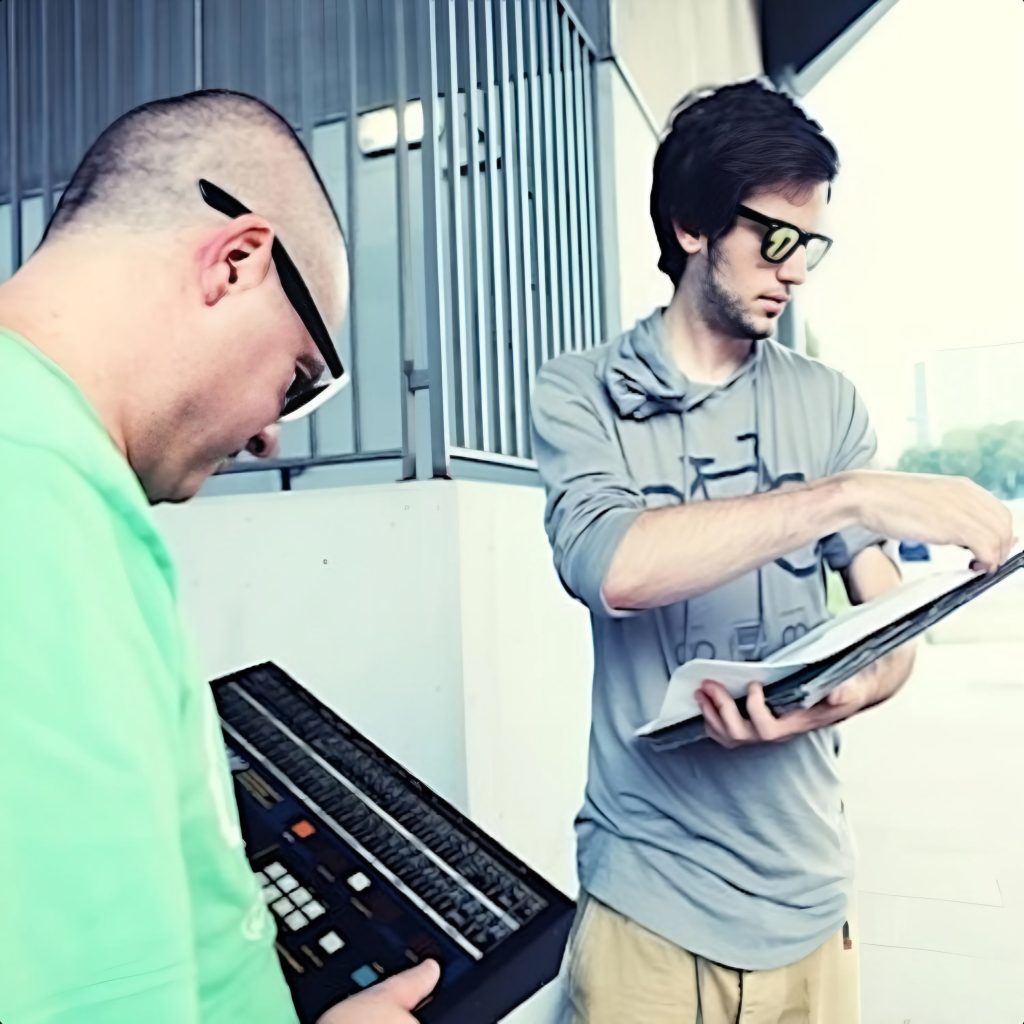
Bicycle Corporation's 'Roots' 036 mix blends Disco, House, R&B and Jazz-Funk grooves with tracks from Maceo Parker, Jorge Ben and…

Bicycle Corporation reveals the track list for Roots 031, an uplifting journey through Afrobeat, Brazilian jazz, samba, funk, disco and…

8U8A presents episode 13 of Global Bass on Scientific Sound Asia radio, mixing Bahia Bass, Brazilian Music, Funk and World…
8U8A publishes the Global Bass show 12 playlist, moving from experimental breaks through tropical global bass to jungle drum and…
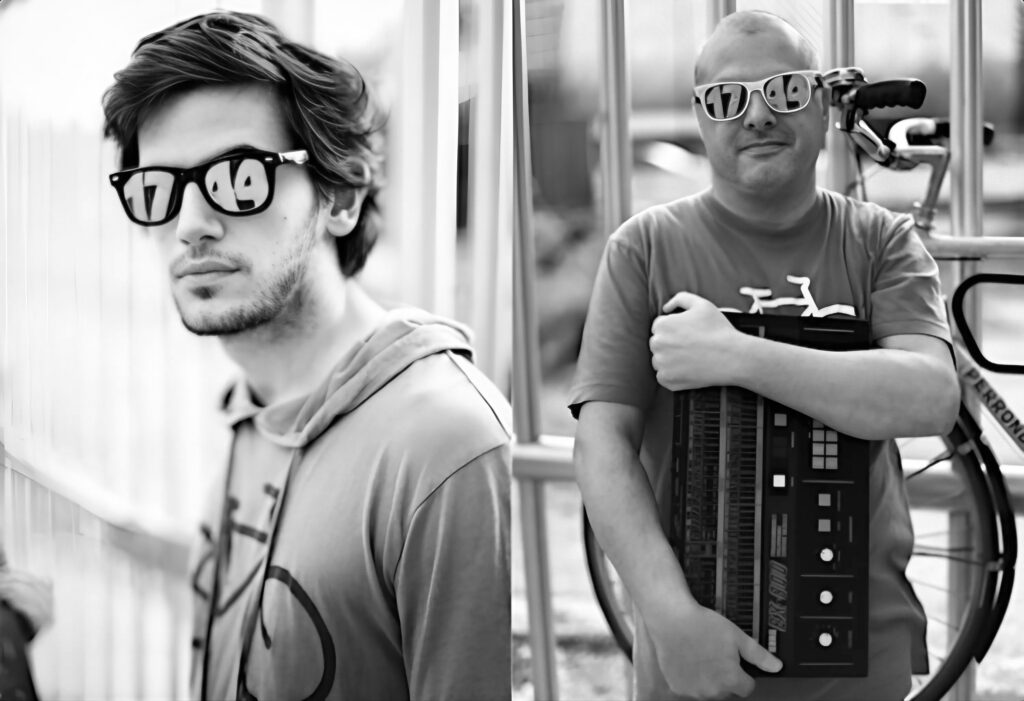
Bicycle Corporation Roots: an Indie Dance, Jazz, Nu Disco and R&B mix streaming now on Scientific Sound Asia, the region's…

Bicycle Corporation's Roots episode 7: a disco, funk, and afrobeat journey through global music influences on Scientific Sound Asia.
Bicycle Corporation's Roots 3 mix blends African, disco, funk, jazz and samba influences, streaming now on Scientific Sound Asia radio.