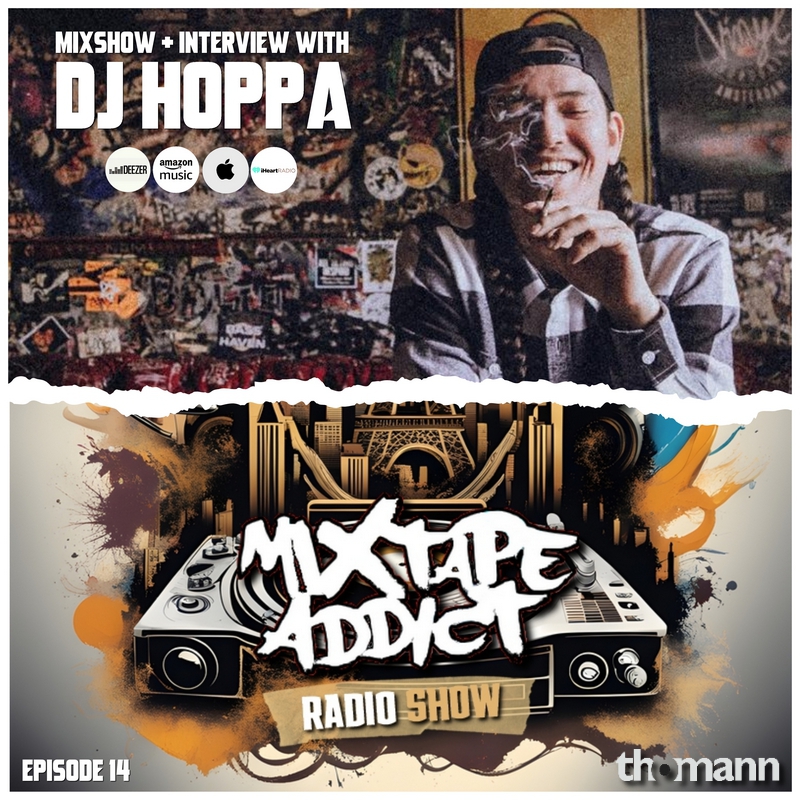
10 September 2024
DJ King Flow interviews DJ Hoppa for Mixtape Addict 14.
Tune in to Mixtape Addict Episode 14 with DJ King Flow and DJ Hoppa on Scientific Sound Asia. Featuring tracks…
Boom Bap developed from New York hip hop during the late 1980s and became strongly associated with East Coast rap through the early and mid-1990s. Its name imitates the sound of a heavy bass drum followed by a sharp snare, the direct "boom-bap" rhythm at the centre of the style.
The term appeared before the genre was formally recognised, with T La Rock using the phrase rhythmically on his 1984 track "It's Yours." KRS-One later popularised it through his 1993 album "Return of the Boom Bap," giving a name to a production style already prominent across New York hip hop.
Boom Bap production commonly uses sampled drum breaks, chopped passages from jazz, soul and funk records, repeated loops and prominent basslines. Producers worked with samplers and drum machines including the E-mu SP-1200 and Akai MPC series, altering pitch, timing and arrangement to build new compositions from short recorded sections.
DJ Premier, Pete Rock, Large Professor, Marley Marl, Buckwild and members of the Diggin' in the Crates collective became closely associated with the sound. Their production supported artists including Gang Starr, Nas, KRS-One, Jeru the Damaja, The Notorious B.I.G., Big L and numerous other figures from New York's 1990s rap scene.
The style places particular weight on rhythm, lyrical delivery and the relationship between rapper and beat. Boom Bap later lost some mainstream dominance as regional styles and digital production methods expanded, but it kept a strong international following and has been picked up by newer generations of independent hip hop artists.
At Scientific Sound Asia, boom bap is a defining feature of two shows: Mixtape Addict and Boom Bap Show.
Tune in to Mixtape Addict Episode 14 with DJ King Flow and DJ Hoppa on Scientific Sound Asia. Featuring tracks…
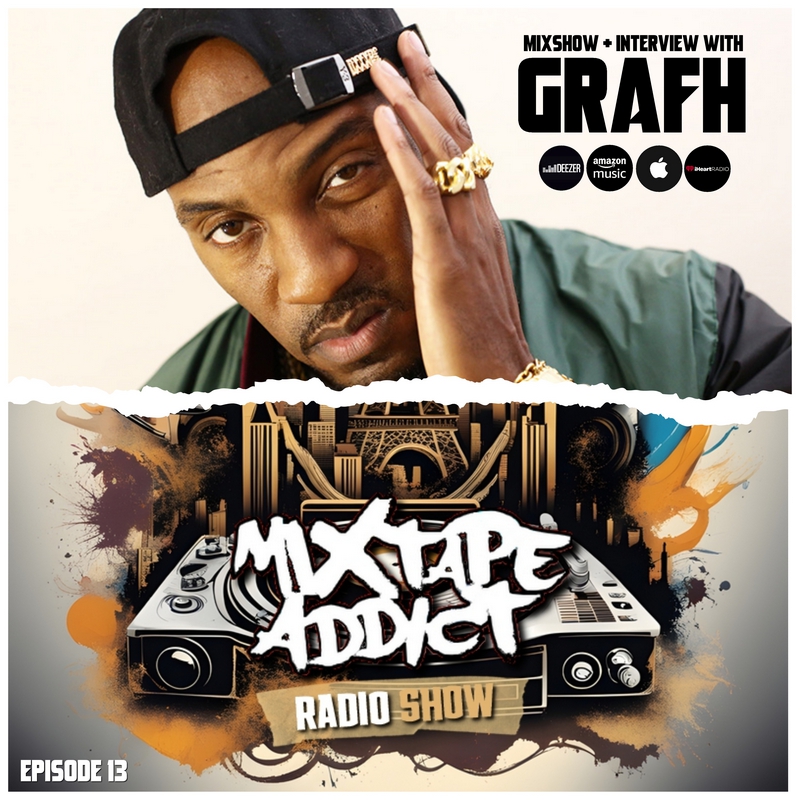
Grafh brings talks about his lyrical mastery and creative innovation in this week’s Mixtape Addict hip hop show, featuring his…
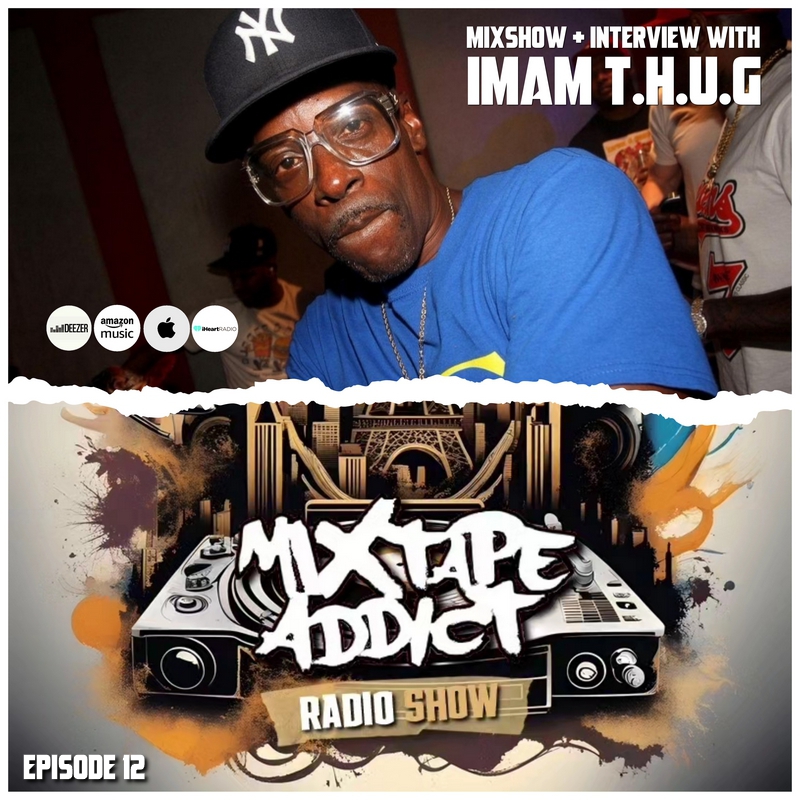
Discover the essence of hip-hop as DJ King Flow interviews the legendary artist, Imam T.H.U.G, on Mixtape Addict 12. Hip…
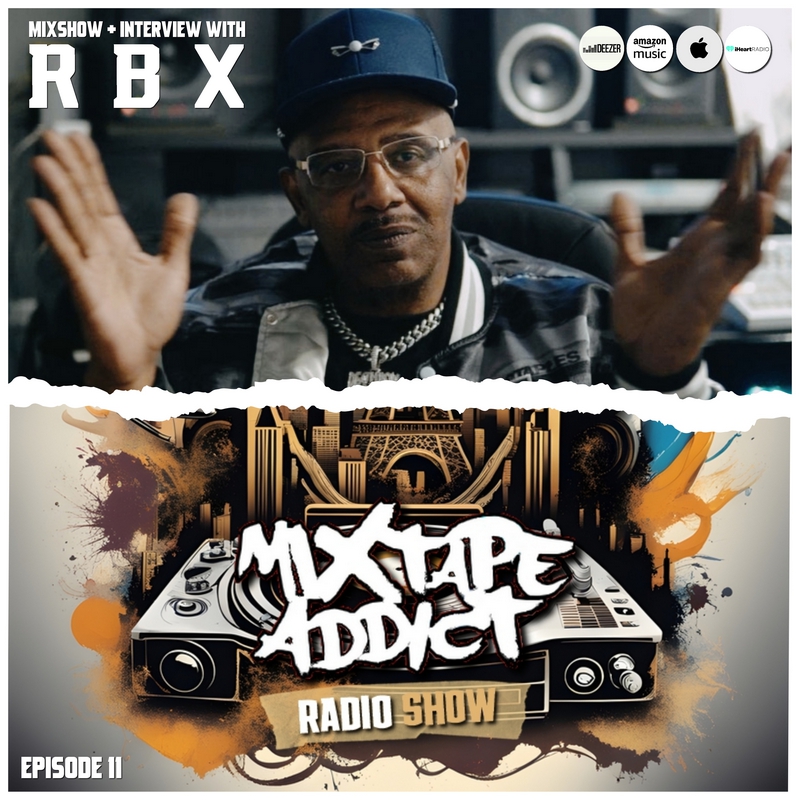
Unveiling the latest Mixtape Addict episode 11 with DJ King Flow interviewing RBX. Tune in for a dynamic transatlantic Rap…
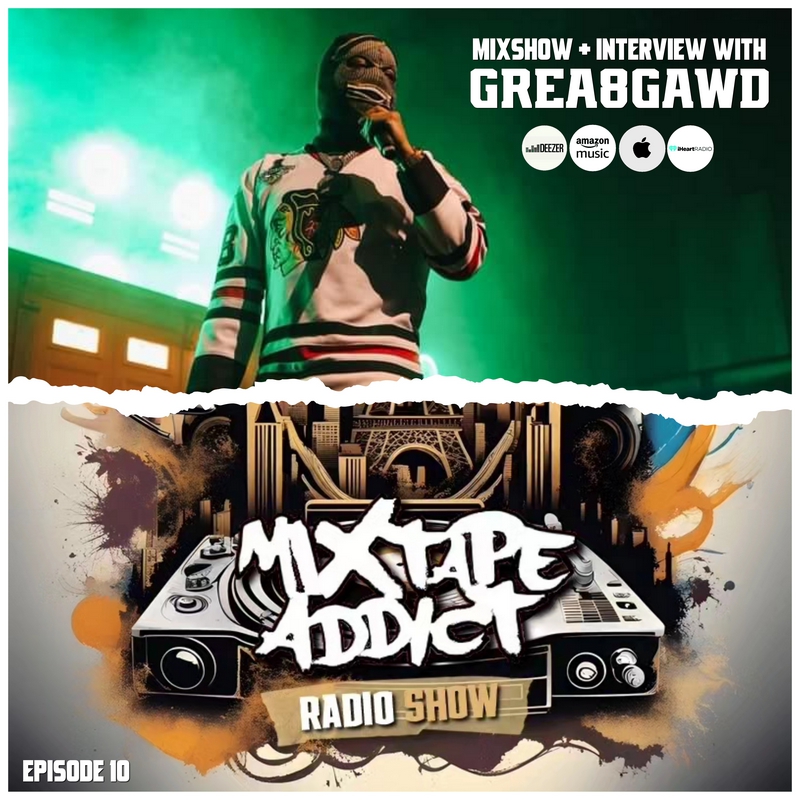
Step into the world of hip-hop with French DJ King Flow's Mixtape Addict 10, featuring an exclusive interview with Grea8Gawd!
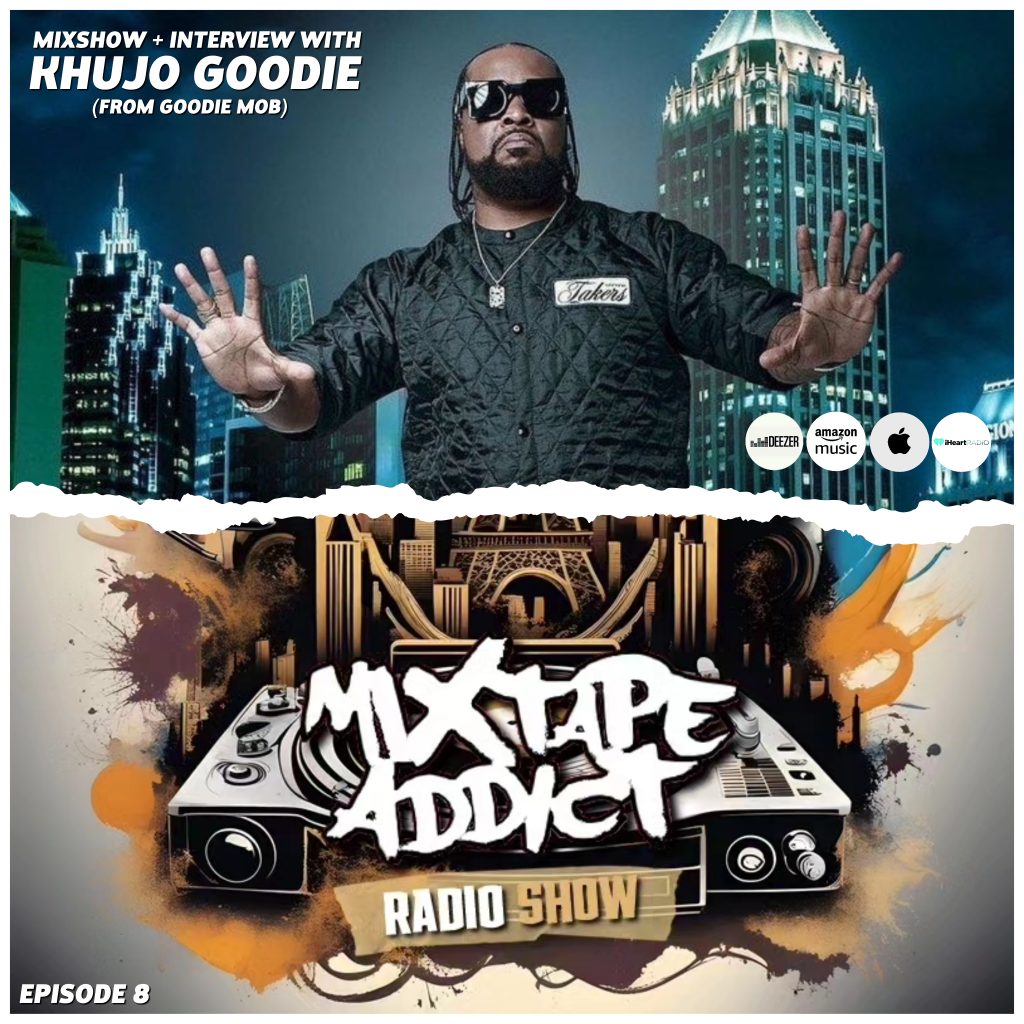
Unveiling the latest tracks from French DJ King Flow in Mixtape Addict ep 8. Featuring special guest Khujo Goodie of…
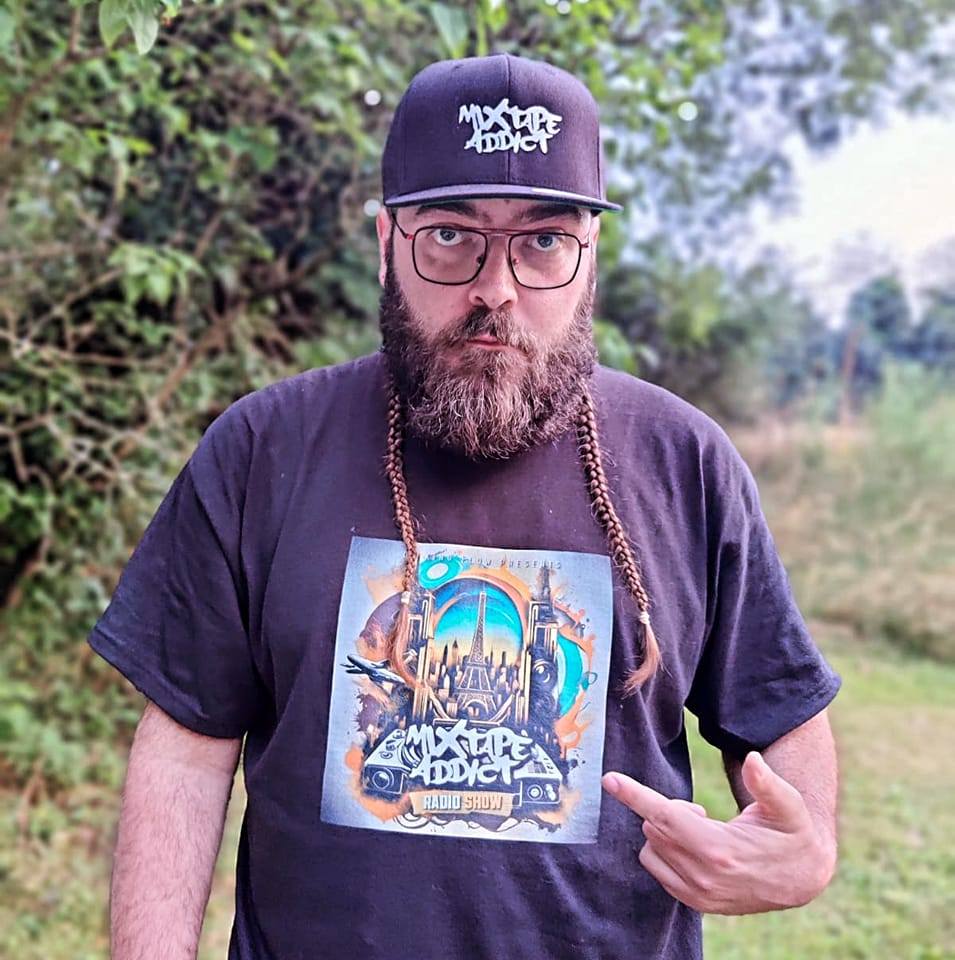
French DJ and producer DJ King Flow returns with his weekly show Mixtape addict featuring a stellar tracklist with renowned…

Get ready for DJ King Flows dynamic transatlantic Mixtape Addict movement with Hip Hop and Rap beats that transcend boundaries.