10 December 2019
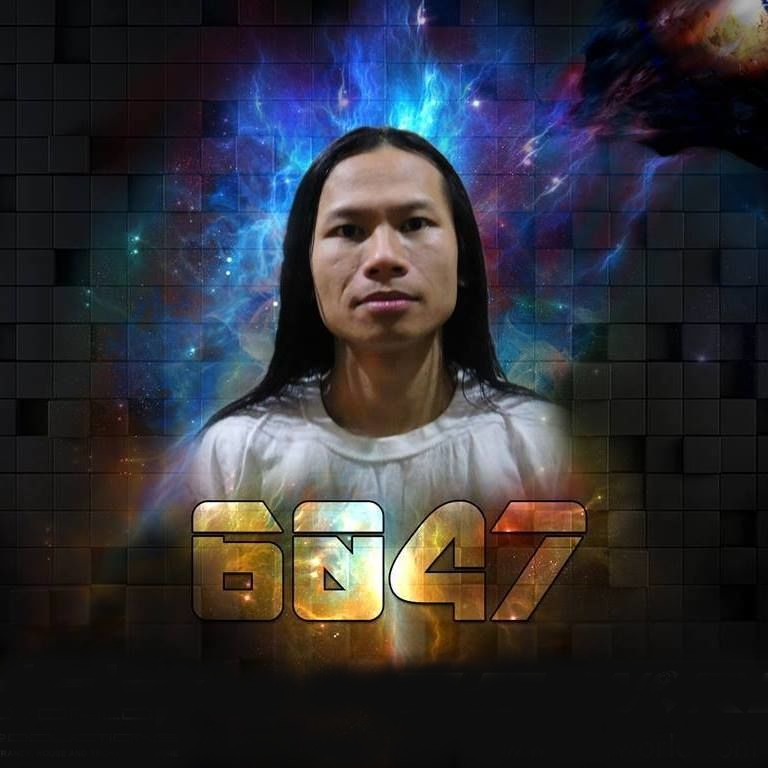
6047 announces tracklist for his new show ‘Floorburn’ 11th December 2019.
6047 announces his new show 'Floorburn' on Scientific Sound Asia, featuring 18 hard dance tracks from Vicious Circle Recordings and…
Dance Music is a broad category for rhythm-led popular music made primarily for clubs, parties and social dancing. Unlike House, Techno or Disco, it isn't one fixed genre and can take in commercially accessible recordings drawn from several electronic and club styles.
Modern Dance Music developed from Disco, electronic pop, Hi-NRG, House and other club sounds through the late 1970s and 1980s. Drum machines, synthesisers, sequencers and extended remixes let producers build stronger rhythms while keeping the vocal hooks and song structures associated with pop music.
During the late 1980s and 1990s, House production became a major foundation for mainstream Dance Music. Many tracks used four-to-the-floor drums, piano chords and electronic basslines but leaned more heavily on catchy vocals, memorable choruses and shorter radio-friendly arrangements.
Artists and producers frequently moved between underground clubs and the commercial charts, making music that could work in both settings. Eurodance, dance-pop, vocal house and commercial club music all became important parts of the category as electronic production reached larger international audiences.
Dance Music can therefore include House-based tracks with prominent vocals, pop-influenced electronic releases, and crossover records that don't sit comfortably within a more specific club genre. The classification rests on accessibility, vocal focus and dance-floor purpose, rather than any one strict production formula.
At Scientific Sound Asia, dance music is a defining feature of Calis HouseNation Radio, with further appearances on TENET, Foundations and Esta La Musica.
6047 announces his new show 'Floorburn' on Scientific Sound Asia, featuring 18 hard dance tracks from Vicious Circle Recordings and…
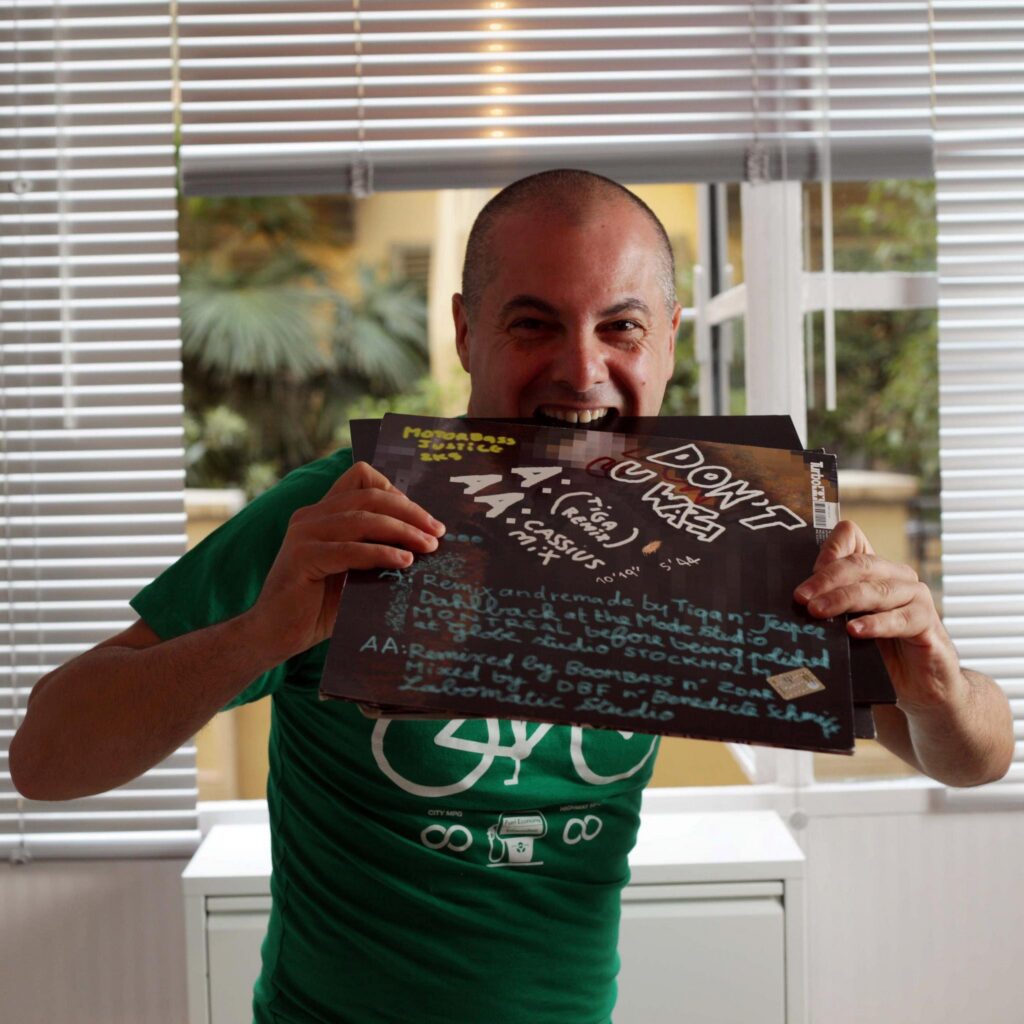
Marco Mei announces his exciting playlist for the 27th of July radio show, featuring Deep House, Disco and Nu Disco…