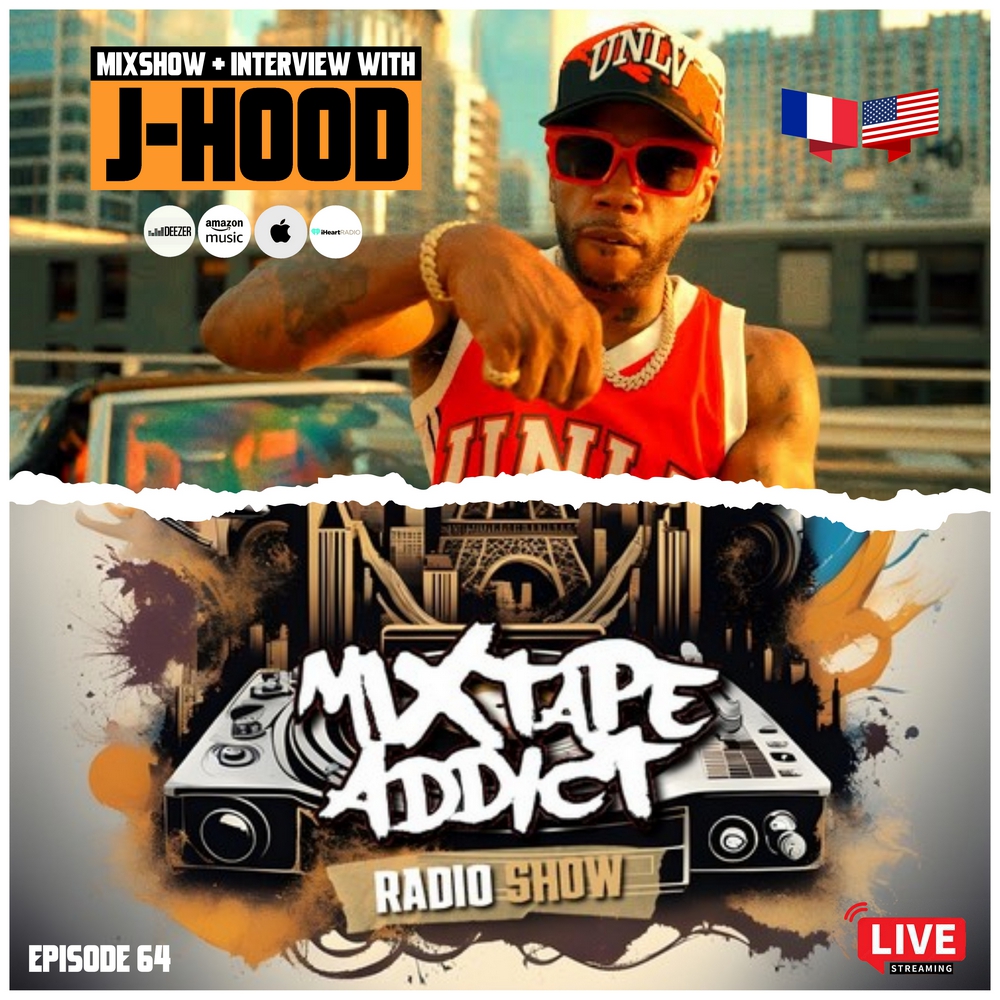
French DJ and producer DJ King Flow returns with another edition of Mixtape Addict on Scientific Sound Asia, combining underground Hip Hop with an interview featuring J-Hood. Scientific Sound Asia operates as an international radio station, DJ agency, promoter and music news platform, supporting artists connected with both the foundations and continuing development of Hip Hop culture.
DJ King Flow began DJing at the age of fourteen and developed an approach firmly rooted in Boom Bap and the Hip Hop of the 1990s. Those foundations remain central to his work, while his selections regularly place contemporary independent artists alongside established names from earlier generations.
That connection between different periods of Hip Hop has become an important part of his identity as both a selector and producer. Hard drums, sample-driven production and lyric-focused records sit alongside newer independent releases from artists continuing those traditions around the world.
His career has included collaborations with Ras Kass, Tragedy Khadafi, O.C., Juicy J and Khujo Goodie. These projects connect his production work with established artists while keeping him closely involved with the contemporary independent scene.
In 2015, he launched Mixtape Addict as a platform dedicated to independent Hip Hop. What began around mixtapes and radio developed into a wider project combining regular broadcasts, artist interviews, new music and direct support for rappers, DJs and producers.
The interview side of the project later expanded through The Mixtape Addict Report, a video series recorded across France, Canada and the United States. These conversations give artists space to discuss their careers, influences, experiences and the practical realities of working within independent Hip Hop.
He uses both the radio show and interview platform to connect artists from different regions through a shared emphasis on lyricism, beatmaking and underground culture. The format keeps the music at the centre while adding context around the people and scenes represented in each edition.
This edition features J-Hood, a rapper raised in Yonkers whose career has been shaped by independent Hip Hop and the New York scene. His interview brings another perspective to Mixtape Addict, with his wider background and catalogue explored separately in the programme.
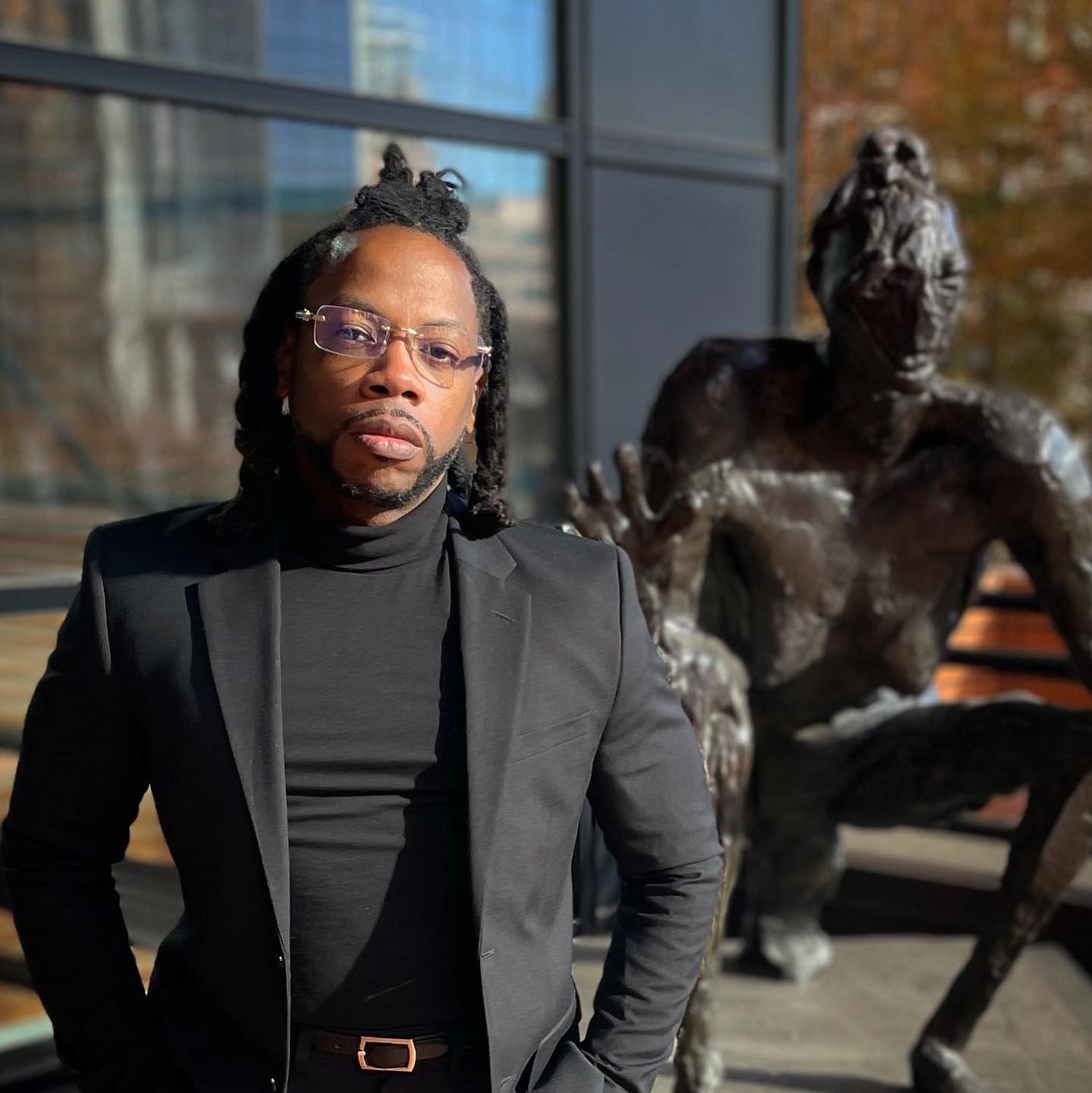
Interview Guest J-Hood
This edition’s featured artist is J-Hood, an MC with deep connections to the East Coast underground and an early association with D-Block. Born in North Carolina and raised in Yonkers, New York, he developed his style around sharp lyricism and a direct delivery influenced by the Hip Hop environment surrounding him.
During the early 2000s, he became closely connected with The LOX and D-Block, appearing on recordings associated with the collective and building his reputation within the New York underground. His proximity to artists including DMX and The LOX placed him within an important period for Yonkers Hip Hop while giving him exposure to a wider audience.
After separating from D-Block in 2007, he concentrated increasingly on building his career independently. He established On Da Grind Entertainment and used the label as a platform for releasing his own music without relying on his earlier affiliation.
Projects including The Rebirth and The Hood Is Back helped establish the direction of that independent period. Mixtapes and albums followed as he continued expanding a catalogue centred on lyricism, street experience and his own perspective on the music industry.
Later releases include the PESCI series, which documents another stage in his development as an MC. Projects such as Illuminated Minds and Stone in the Mud further extend a body of work that connects his early New York background with the experience gained through years of independent recording.
His career gives him a particularly relevant perspective for an interview focused on underground Hip Hop. His conversation with DJ King Flow covers his D-Block years, transition towards independence and the experiences behind maintaining a recording career outside the major-label system.
His appearance on Mixtape Addict connects an important part of early-2000s Yonkers Hip Hop with the independent culture at the centre of DJ King Flow’s programme. The interview provides space for him to discuss that history in his own words while placing his later catalogue alongside the period that first introduced him to a wider audience.
DJ King Flow opens Mixtape Addict Episode 64 with two J-Hood tracks produced by Whip Beatz, as Fifth Amendment and Klippin Opps establish the uncompromising Underground Hip Hop direction of the programme. J-Hood remains in focus alongside The Alchemist and Sheek Louch on Boost The Crime Rate, extending the opening run with another heavyweight collaboration.
Obleak and Necro follow with the Haunted Remix before Jus Daze's Battle Axes and Lex Lakaiser's I Still Shine keep the emphasis on direct lyricism and hard-edged production. Contageous Funk's No Way Out leads into K.A.A.N and DJ Hoppa's The Infamous, maintaining the strong Boom Bap character running through the first half.
Lloyd Banks enters with Arsenal Freestyle before Wiz Khalifa and DJ Quik bring a different regional flavour through Take Your Time Get Paid. Young Amsterdam follows with Young Am, then Rakim and Hus Kingpin connect different generations of East Coast Hip Hop on Now Is The Time.
Ras Kass appears twice in succession, first alongside Spit Gemz on Nasty Work and then solo with FAFO, keeping the latter half centred on dense bars and rugged production. Pro Dillinger and Futurewave continue that underground focus with Scarface, before Young Buck's Do Better adds another distinct voice to the sequence.
Lloyd Banks returns with Courtside Freestyle before Masta Killa, Method Man and Snoop Dogg close the musical portion with Glad To Meet You. The combination brings together Wu-Tang lineage and West Coast Hip Hop before DJ King Flow shifts the programme from music into conversation.
The episode finishes with DJ King Flow interviewing J-Hood, bringing the focus back to the artist who dominates the opening section of the show. Across Episode 64, the selection stays rooted in independent Hip Hop, combining established names with underground artists while keeping lyricism firmly at the centre.
DJ King Flow welcomed Yonkers MC J-Hood to Mixtape Addict for a conversation about DJ culture, mixtapes, D-Block, European Hip Hop, new music and the lessons he has taken from more than two decades in the industry. The guest spoke openly about the competitive environment that sharpened his skills, the difficulties he faced after leaving D-Block and his renewed focus on releasing music consistently.
Asked to name his favourite DJ, he chose DJ Green Lantern because of the creativity he brought to mixing, cutting, production and reworking vocals over unexpected beats. He particularly respects DJs who transform records rather than simply play them, seeing that ability to reconstruct music as one of the qualities that separates a skilled selector from somebody operating software.
The traditional mixtape format still means a great deal to him because it allowed MCs to take the most popular instrumentals of the moment and make them their own. Rappers could freestyle over somebody else's record, attack familiar beats from a completely different angle and sometimes produce versions listeners preferred to the originals.
He has already revisited parts of his mixtape catalogue through Best of Hood compilations containing recognised freestyles from earlier stages of his career. He also recalled working with UK DJ Lindo and acknowledged the strong overseas support his music has received from listeners who stayed connected to the harder underground side of Hip Hop.
That international audience remains important because he believes many European listeners have a particularly strong appreciation for Boom Bap, lyricism and traditional underground rap. While large sections of the American market shifted towards mainstream, Trap and party records, he found that overseas audiences often kept seeking the type of music that first established his reputation.
He also sees signs that lyric-focused Hip Hop is gaining stronger visibility again, pointing towards successful recent releases from established artists who refused to reshape themselves around current trends. For him, that creates more room for MCs who value bars, identity and strong production without needing to imitate whichever style currently dominates the charts.
His own upcoming EP Peshi 5 extends a series built around one of his alter egos and places him firmly inside the grimier style King Flow associates with his strongest work. The project is produced entirely by overseas producer Whit Beats, whose production he believes gives the record a consistent identity and suits the chemistry they have developed together.
Looking back at earlier opportunities, the interview guest discussed working around The LOX and appearing on projects connected with producers such as The Alchemist. Being surrounded by highly competitive MCs taught him to approach every collaboration with the intention of delivering his strongest possible verse rather than becoming comfortable simply because he was already part of a recognised crew.
That competitive standard was reinforced by The LOX themselves, who encouraged him to attack features without worrying about outperforming the other artists involved. He carried that attitude into his writing, using each verse as an opportunity to prove himself while learning from established rappers and producers he had previously admired from outside the industry.
The Alchemist remains one of the producers he would particularly like to create a complete project with. He respects Alchemist's ability to alter his production approach across different periods without losing his identity, seeing that flexibility as proof that an established artist can change creatively without abandoning the qualities that made the work distinctive.
Competition also entered the interview through a discussion of contemporary rap battles and diss records. J-Hood described Hip Hop as naturally competitive and welcomed situations where MCs challenge one another lyrically, provided the focus stays on skill, entertainment and the sporting element of the culture.
His advice to younger rappers centred on discipline, consistency and understanding how quickly listeners can turn towards the next release. J-Hood warned that talent alone is not enough in an environment where audiences are constantly presented with new music, making work ethic, creativity and regular engagement essential parts of building a serious career.
Networking was another major lesson, with J-Hood stressing that relationships can create opportunities long after an initial meeting takes place. Artists need to place themselves in useful environments, speak to people, exchange information and be prepared when an unexpected opportunity appears.
One of the most difficult periods of his career came after separating from The LOX and D-Block under circumstances he now acknowledges were complicated. Leaving in the way he did created professional obstacles because many people throughout the industry had longstanding relationships and deep respect for the group, forcing him to rebuild his position and establish a fresh identity outside that association.
With time, J-Hood has been able to view that period with considerably more perspective and believes the positive experiences outweighed the problems that followed. He credits The LOX with giving him knowledge about music and life, while the records, freestyles and chemistry they created together still represent an important part of his history.
Rather than allowing that chapter to define everything afterwards, J-Hood has concentrated on putting more projects and visuals into circulation. Alongside Peshi 5, he revealed plans for a self-titled full-length album called Joshua Hood, using his real name for a project that introduces another side of his work.
Physical editions are also planned for both releases, with signed copies intended for listeners who still value owning music rather than accessing everything through streaming services. J-Hood remembers buying albums partly to study the credits and artwork, and he wants younger listeners to experience some of the connection with physical releases that digital platforms largely removed.
That direct relationship between artist and supporter fits naturally with his renewed release strategy, particularly as collectors show fresh interest in vinyl, CDs and other tangible formats. For J-Hood, an autographed copy is more than another way to distribute songs because it creates memorabilia that a listener can permanently associate with the artist.
J-Hood closed by asking supporters to watch for his new videos, Peshi 5 and the forthcoming Joshua Hood album as he enters a more active period of releases. His message throughout the interview was that experience has given him a clearer understanding of competition, relationships and his own decisions, but the hunger to rap and produce strong records is still firmly intact.
DJ King Flow & J-Hood Mixtape Addict episode 64
J-Hood - Fifth Amendment (Prod Whip Beatz)
J-Hood - Klippin Opps (Prod Whip Beatz)
The Alchemist, J-Hood & Sheek Louch - Boost The Crime Rate
Obleak & Necro - Haunted Remix
Jus Daze - Battle Axes
Lex Lakaiser - I Still Shine
Contageous Funk - No Way Out
K.A.A.N & DJ Hoppa - The Infamous
Lloyd Banks - Arsenal Freestyle
Wiz Khalifa & DJ Quik - Take Your Time Get Paid
Young Amsterdam - Young Am
Rakim & Hus Kingpin - Now Is The Time
Ras Kass & Spit Gemz - Nasty Work
Ras Kass - FAFO
Pro Dillinger & Futurewave - Scarface
Young Buck - Do Better
Lloyd Banks - Courtside Freestyle
Masta Killa, Method Man & Snoop Dogg - Glad To Meet You
DJ King Flow - Interview with J-Hood
Listen on Mixcloud here.