
French DJ and producer DJ King Flow returns with another edition of Mixtape Addict, this time featuring Queens rapper and producer Will Sully on Scientific Sound Asia. Scientific Sound Asia operates as an Asian electronic music radio station, DJ agency, promoter and music news platform, connecting artists and listeners across underground Hip Hop and wider independent music culture.
DJ King Flow began DJing at the age of fourteen, developing an approach firmly rooted in Boom Bap and the Hip Hop of the 1990s. Those foundations remain central to his work, while his selections regularly place contemporary independent artists alongside established names from earlier generations.
That connection between different periods of Rap has become an important part of his identity as both a selector and producer. Hard drums, sample-driven production and lyric-focused records sit alongside newer independent releases from artists continuing those traditions around the world.
His career has included collaborations with Ras Kass, Tragedy Khadafi, O.C., Juicy J and Khujo Goodie. These projects connect his production work with established artists while keeping him closely involved with the contemporary independent Hip Hop scene.
In 2015, DJ King Flow launched Mixtape Addict as a platform dedicated to independent Hip Hop. What began around mixtapes and radio developed into a wider project combining regular broadcasts, artist interviews, new music and direct support for rappers, DJs and producers.
Interviews have become an important part of Mixtape Addict, giving artists space to discuss their careers, influences, creative processes and experiences within the music industry. These conversations complement the music and provide additional context around the artists, producers, labels and independent networks represented on the programme.
DJ King Flow’s wider activity can be followed through Facebook, X and the Mixtape Addict YouTube channel. These platforms extend the project beyond radio through interviews, videos, releases and other material connected with the international underground.
Production has also become an increasingly visible part of King Flow’s work, with instrumental projects providing another outlet for his musical identity. The Adventures of F.J. Parker combines Jazz-influenced melodies, soulful textures and deep grooves with the raw drum-led character associated with classic beatmaking.
Trill Legacy (Instrumentals) develops that side of his catalogue further by placing the emphasis entirely on his production. Without an MC at the centre, the project gives the samples, drums, arrangements and melodic ideas more room to demonstrate how his style works independently.
His collaborative releases continue to connect that production work with underground rappers from different scenes. Warzone featuring Ice Crimi, Win or Lose featuring Imam T.H.U.G. and Money with Lex Lakaiser demonstrate how his beats can support contrasting vocal approaches while retaining a recognisable identity.
More recent work includes Back To Basics (Mixtape Addict) featuring Faf Larage, Napoleon Da Legend, Relo and DJ Djel. The project brings several voices together around the musical principles that have remained central to King Flow’s work since his earliest years behind the decks.
Bills (Remix) featuring Khujo Goodie extended his connection with established American artists, while Laser Rouge with Omaz and Joe Mack returned to the collaborative underground format found throughout his catalogue. The Movement featuring ISH-ONE added another international connection and reinforced the wider outlook behind Mixtape Addict.
That international direction also appears through Legacy with Dnzl Izm and Northwest Flow with Seattle MC King Khazm. Rather than concentrating exclusively on French or American artists, DJ King Flow uses Mixtape Addict to connect independent voices from different locations through a shared emphasis on lyricism, beatmaking and Rap culture.
This edition features Queens rapper, producer and songwriter Will Sully, whose catalogue combines hard drums, sample-based production, storytelling and a strong connection with New York Hip Hop. His recent work includes the Base series, collaborations with Ali Vegas and Catacomb Muzik, and the 2026 project The Northside Connection with producer Sha Money XL.
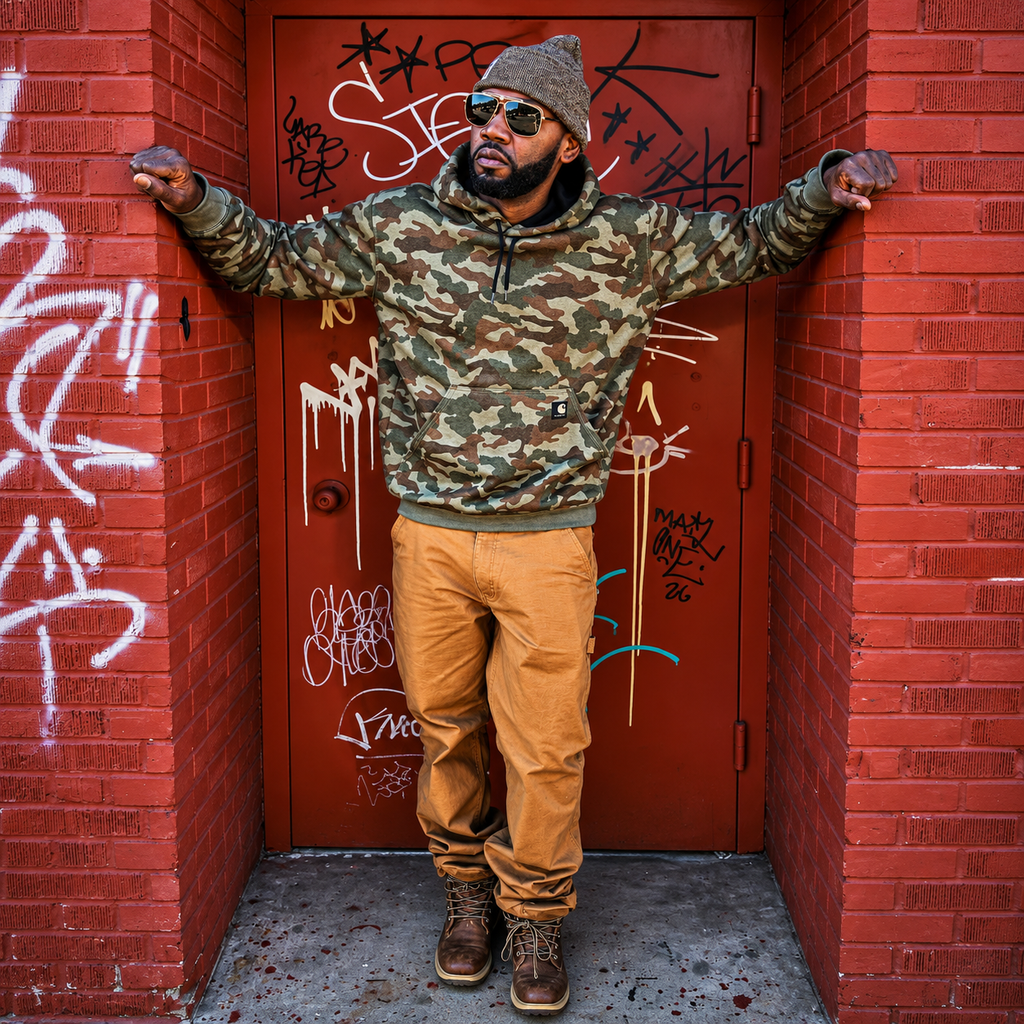
Interview Guest: Will Sully.
Will Sully is a rapper, producer and songwriter from Queens, New York, whose work is rooted in the lyric-focused traditions of East Coast Hip Hop. His catalogue combines rugged production, storytelling and wordplay with a strong connection to the culture and musical history of New York City.
He has been involved with Hip Hop for much of his life, working both behind the microphone and behind the boards. Earlier credits include production for Shyne on Martyr and an appearance alongside the late Fred the Godson on Cry Blood, showing that his role has long extended beyond his own solo releases.
Will considers Generation X, released in 2018, his first official project, with later releases expanding both his production and writing. Freebase followed in 2021, while the wider Base series became an important part of the catalogue through projects including Base Ain’t Free and Base Is Too Damn High.
His production style is closely associated with hard drums, chopped samples and darker New York textures, although his records also leave space for more detailed storytelling and concept-driven writing. Base Is Too Damn High demonstrated both sides of that approach, combining self-produced material with narrative tracks and direct lyricism.
Collaboration has remained an important part of his work, particularly within the Queens underground. His partnership with Ali Vegas produced the John Gotti Music EP, which Will Sully produced after the pair began working together following their first meeting in 2020.
More recent activity has connected him closely with Catacomb Muzik, alongside artists including Leadgeon and Deveous Ink. The 2026 Welcome to Catacomb project includes several tracks featuring Will Sully and continues his involvement with contemporary New York Boom Bap and independent Rap.
His 2026 catalogue also includes Shot Clock and Kill Switch, extending a run of releases that has remained active across both solo work and collaborations. That year also brought a major partnership with producer Sha Money XL through The Northside Connection.
Released in November 2026, The Northside Connection pairs Will Sully with Sha Money XL across a twelve-track project centred firmly on New York Hip Hop. Singles including Northside Connection and U Die Once underline the connection between Sully’s Queens identity, lyricism and the harder production style that has remained central to his work.
DJ King Flow puts Will Sully at the centre of Mixtape Addict 123, opening with three collaborations alongside Sha Money XL: Northside Connection, Queens and U Die Once. That opening sequence immediately establishes the show's East Coast Hip Hop direction before Donnsday and Bonnie Stone continue the hard-edged underground tone with Never Take Me Alive.
Westside Gunn's Price Choppers and Vinnie Paz's Cemetery Full push the programme further into rugged Underground Hip Hop, followed by Meyhem Lauren's The Centurion Lounge and Lelex Luthor's Pyrrhus. Monk.E and Swift Guad then bring a French-language turn with Larme Noir Pétrole, widening the selection without leaving its lyric-driven framework.
oBleak, Illa Ghee and Multiple Blast Off continue with Powerful Rhymes before OT The Real, Dave East and Benny The Butcher deliver Got It Like That. Imported Goodz and Rome Streetz follow with Gimmie Extra, keeping the middle of the programme firmly connected to contemporary Boom Bap and New York-rooted rap.
Statik Selektah's Kings County brings NEMS and M.O.P together for one of the episode's strongest East Coast combinations, followed by M Dot and Solid Vs Green on Stop Trippin. Napoleon Da Legend, Inoki and Akhenaton then close the musical section with Dysto, adding another international link to the wider Hip Hop selection.
DJ King Flow finishes Episode 123 with his interview with Will Sully, returning the programme to the artist who anchors its opening three records. Across fifteen music tracks and the closing conversation, the episode connects Will Sully's work with a broader underground line-up that includes Westside Gunn, Vinnie Paz, Meyhem Lauren, Rome Streetz, Statik Selektah and Benny The Butcher.
DJ King Flow welcomed Queens producer Will Sully to Mixtape Addict for a detailed conversation about DJ culture, production, executive direction, persistence and the realities of building a career in the modern music industry. Sully discussed the influences that shaped his approach, the lessons he learned from earlier opportunities and the projects he is now preparing after years of work behind the boards.
Asked to name his favourite DJ, Will Sully chose Jam Master Jay while also giving recognition to DJ Scratch, Jazzy Jeff and DJ Premier. He particularly praised DJ Scratch for using turntable work almost like another musical instrument, adding scratches that became an integral part of records rather than simply decoration around them.
That musical role of the DJ matters deeply to Sully because he believes the position has been reduced too much in contemporary Hip Hop. Earlier artists often treated their DJ as part of the act itself, whereas modern performers can sometimes use a DJ only for live playback without acknowledging how important that person can be to the music.
Sully connected that history with producer and MC partnerships such as Eric B. & Rakim, Gang Starr and Main Source. Those combinations created identities that could not simply be reproduced by placing the rapper with another producer, because the chemistry between both sides became part of the character of the records.
He also believes Hip Hop temporarily moved away from that model when albums became showcases for whichever producers were hottest at the time. Working with several producers can create an excellent project, but Sully sees particular value in the deeper understanding that can develop when one producer and one artist build an entire record together.
The executive producer becomes especially important when several beatmakers are involved because somebody has to understand what the finished project is supposed to represent. Sully described that person as the one who can select material from very different producers while still making the record feel cohesive and suited to the artist.
That understanding is part of what he appreciates about working with Sha Money XL, whose background includes production, A&R and executive responsibilities. Sully and Sha Money XL developed their relationship through work connected with an Ali Vegas project before eventually deciding to build an album together.
Their collaborative album includes the single North Side Connection and was scheduled for release on 6 November at the time of the interview. Sully also confirmed plans for physical editions through Fat Beats, giving the project a presence on vinyl alongside its other formats.
Music was already part of his home environment long before professional opportunities appeared because Sully's father made music and kept equipment around the house. Watching him work with keyboards, synthesisers and recording equipment introduced Sully to production technology early, while the drum machine became the piece of equipment that attracted him most strongly.
From there he became interested in DJing, vinyl and experimenting with the equipment available around him. By high school he was seriously attempting to make records, and he later studied engineering and music technology to strengthen the technical side of what he was already learning through practice.
Education helped him understand the tools, but Sully does not believe textbooks or formal study can substitute for being active in the real music business. His first placement with Bad Boy came while he was studying music technology, yet he attributes the opportunity as much to networking, moving around New York and actively pursuing contacts as to anything learned in a classroom.
Growing up in Queens also meant seeing people from nearby areas enter the industry before him, which made a professional career feel attainable rather than abstract. Figures such as Jam Master Jay and Rockwilder were visible enough to prove that somebody from his surroundings could establish themselves, giving Sully a reason to believe another opportunity could eventually reach him.
Persistence became essential because progress rarely happened as quickly as expected. Sully said yesterday's accomplishments cannot carry somebody indefinitely, and his mentality is still built around getting up, finding the next piece of work and refusing to treat one successful placement as a reason to become comfortable.
That philosophy is especially important in an era shaped by instant gratification, where artists can be encouraged to believe one release should immediately become viral and transform their careers. Sully rejects that expectation and treats music more like competitive sport, where preparation between major opportunities often determines who is ready when the next opening appears.
He also connects physical health with creative performance and tries to keep himself in shape while organising each day around specific work. Sully compared the process to an athlete preparing during the off-season, arguing that natural ability means far less if someone stops training while everybody else is getting sharper.
One lesson that stayed with him came from Young Amsterdam after Sully made a record that followed a popular style rather than the type of production people associated with him. Amsterdam told him the record might be good, but it was not what the people who valued Sully's work were coming to him for, and Sully never forgot the distinction.
That advice taught him that chasing wider attention can sometimes push an artist away from the qualities that built their strongest audience in the first place. Sully now places greater value on understanding what makes his work distinctive and developing that identity instead of changing direction whenever another style becomes fashionable.
Looking back, he would tell his younger self to stay focused and avoid becoming distracted by what other movements appear to be achieving. Sully believes he lost time by assuming opportunities elsewhere might be better, when the more important task was strengthening the work and direction already in front of him.
One of the hardest periods came when the New York sound that originally inspired him became less central to the commercial industry. Sully began recording around the period when artists such as Capone-N-Noreaga and DMX were prominent, but by the time he felt fully prepared, many labels were looking elsewhere and the style he made was no longer receiving the same attention.
The Internet eventually gave producers like Sully another route because success no longer depended entirely on whether their immediate region supported that particular sound. Listeners around the world could find the type of Hip Hop he was producing, allowing him to connect with people who valued it even when local commercial radio had moved in another direction.
His approach to making music now starts with instinct and the physical feeling a record creates. Sully believes producers usually know very quickly when an idea has something special, and if that reaction is missing, forcing the record rarely produces the same result.
The same principle affects his writing because Sully prefers creating a new verse specifically for a beat rather than forcing previously written lyrics into a different piece of production. He also works quickly when the idea is strong, treating every instrumental as a fresh canvas and starting again if the first attempt does not connect properly.
Speed has become more important because the modern release cycle does not allow artists to disappear for years without risking the loss of momentum. Sully sees streaming as both useful and demanding, since easier distribution also creates pressure to supply listeners with new records, visuals and other material far more frequently.
Looking ahead, he plans to build from the Sha Money XL project with additional records, visuals and live appearances already being developed. The experience of watching Sha handle several sides of the album also gave Sully another practical model for organising future projects and understanding how strong planning can support the music itself.
Will Sully closed by thanking the listeners who have supported his work from the beginning and recognised that their support has helped make his current opportunities possible. His outlook throughout the interview was centred on staying active, trusting instinct, protecting the identity people connect with and treating every new day as another opportunity to earn progress.
The live broadcast is scheduled for Tuesday, November 24th, 2026, from 8 to 9 PM Indochina Time (ICT), with a replay set for Saturday from 8 to 9 AM (ICT).
DJ King Flow & Will Sully – Mixtape Addict Episode 123
Will Sully & Sha Money XL - Northside Connection
Will Sully & Sha Money XL - Queens
Will Sully & Sha Money XL - U Die Once
Donnsday & Bonnie Stone - Never Take Me Alive
Westside Gunn - Price Choppers
Vinnie Paz - Cemetery Full
Meyhem Lauren - The Centurion Lounge
Lelex Luthor - Pyrrhus (Prod. Solid Snare Beatz)
Monk.E & Swift Guad - Larme Noir Pétrole
oBleak, Illa Ghee & Multiple Blast Off - Powerful Rhymes
OT The Real, Dave East & Benny The Butcher - Got It Like That
Imported Goodz & Rome Streetz - Gimmie Extra
Statik Selektah - Kings County feat. NEMS & M.O.P
M Dot & Solid Vs Green - Stop Trippin
Napoleon Da Legend, Inoki & Akhenaton - Dysto
DJ King Flow - Interview With Will Sully
Listen Here.